For businesses operating in Islamabad and Rawalpindi — Pakistan’s twin cities — pest control is far more than a routine maintenance task. The region’s subtropical climate, rapid urban development, dense commercial districts like Saddar, Blue Area, and I-8 Markaz, and high foot traffic across markets, plazas, and office complexes create ideal conditions for pest pressure year-round.
Whether you run a restaurant in F-7, a warehouse in Rawalpindi’s industrial zone, a hotel in Bahria Town, or a clinic in G-10 — a pest incident can bring operations to a halt, trigger regulatory action from Pakistan’s local municipal authorities, and permanently damage the trust of your customers.
This guide covers everything businesses in Islamabad and Rawalpindi need to know about comprehensive pest protection: the local pest threats you face, prevention strategies tailored to the Twin Cities environment, and how to choose the right pest management partner in Pakistan.
Quick Answer
Comprehensive pest protection for businesses in Islamabad and Rawalpindi means using a combination of professional inspection, local-climate-aware prevention, targeted treatment, and ongoing monitoring to eliminate pest threats before they harm your operations, reputation, or compliance status with Pakistani health and food safety authorities.
Why Pest Control Is Critical for Businesses in Islamabad & Rawalpindi
The Twin Cities present unique pest challenges. Islamabad’s green belt areas — Margalla Hills, parks, and tree-lined sectors — push wildlife and insect colonies closer to commercial and residential zones. Rawalpindi’s older, denser urban core — with bazaars, street food markets, and aging infrastructure — creates persistent pest harborage conditions that affect neighbouring businesses.
Seasonal monsoon rains, which typically run from July through September, create standing water and humidity spikes that dramatically accelerate pest reproduction cycles. Combined with the area’s warm summers (often exceeding 40°C), businesses face significant pest pressure for most of the year.
Rodent infestations spread rapidly through the shared walls and drainage systems common in commercial plazas and markets
- Punjab Food Authority (PFA) and Capital Development Authority (CDA) conduct surprise inspections of food businesses — pest evidence leads to immediate fines or sealing of premises
- Mosquito-borne diseases like dengue fever are a recurring seasonal public health concern in Rawalpindi and Islamabad — businesses near open drains or green areas face heightened risk
- Termite activity is especially aggressive in the Twin Cities due to soil composition and humidity — older commercial buildings in Rawalpindi Cantonment are particularly vulnerable
- Rodent infestations spread rapidly through the shared walls and drainage systems common in commercial plazas and markets
The Punjab Food Authority (PFA) and Islamabad’s CDA Health Wing have the authority to seal any food business found with evidence of pest activity. A single inspection failure can result in closure, heavy fines, and significant reputational damage in a city where word spreads quickly.
Which Businesses in Islamabad & Rawalpindi Are Most at Risk?
While no business is immune to pest pressure, certain industries face elevated risk due to their environment, inventory, or foot traffic:
| Industry | Primary Pest Risks | Key Concern |
| Restaurants & Food Service | Cockroaches, rodents, flies | Health code violations, food contamination |
| Warehouses & Storage | Rodents, beetles, moths | Inventory damage, structural damage |
| Hotels & Hospitality | Bed bugs, cockroaches, ants | Guest complaints, reputation damage |
| Offices & Corporate Spaces | Ants, spiders, rodents | Employee wellbeing, equipment damage |
| Healthcare Facilities | Cockroaches, rodents, flies | Infection risk, regulatory compliance |
| Retail Stores | Ants, rodents, fabric pests | Product contamination, customer experience |
Most Common Commercial Pests in Islamabad & Rawalpindi
Rodents (Rats and Mice)
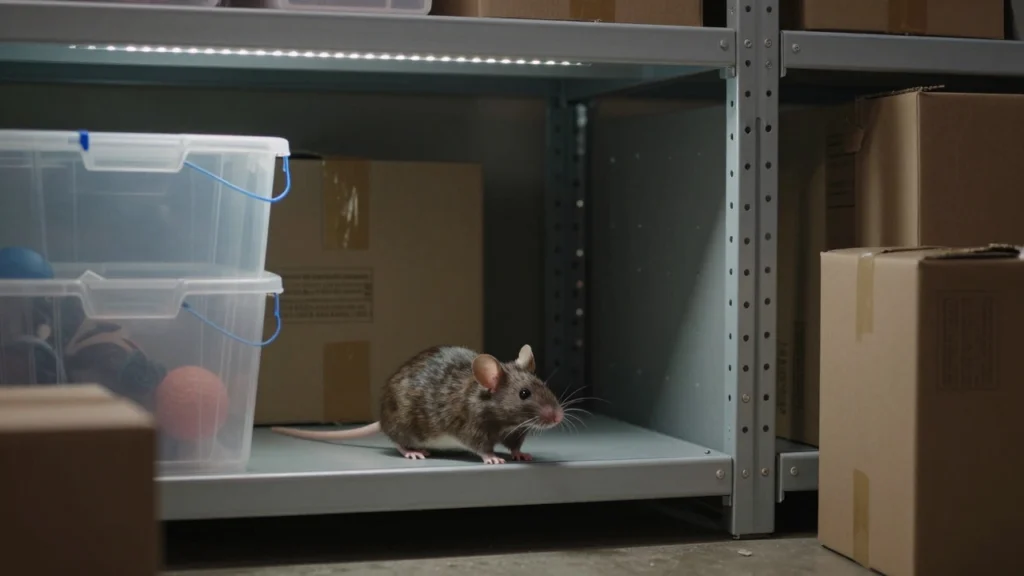
Rats are a persistent urban pest across Rawalpindi’s dense commercial zones and in areas adjacent to Islamabad’s open nullahs (drainage channels). They chew through wiring, contaminate food stores, damage packaging, and spread diseases including leptospirosis. During cooler months (November to February), rodents increasingly seek shelter inside commercial buildings, making autumn the most critical exclusion period for businesses.
Cockroaches
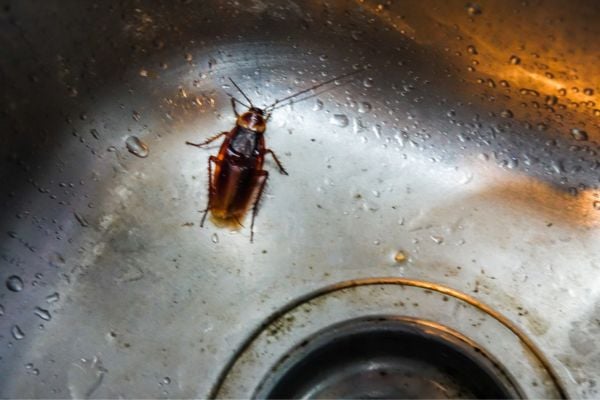
The German cockroach and American cockroach are both endemic to the Twin Cities. They thrive in the warm, humid conditions typical of commercial kitchens, drains, and storage areas. In Rawalpindi’s older commercial areas — particularly around Raja Bazaar and Saddar — cockroach infestations in neighbouring premises can quickly spread through shared drainage and utility systems. They contaminate food surfaces with bacteria including Salmonella and are a critical failure point in PFA inspections.
Termites (Deemak)
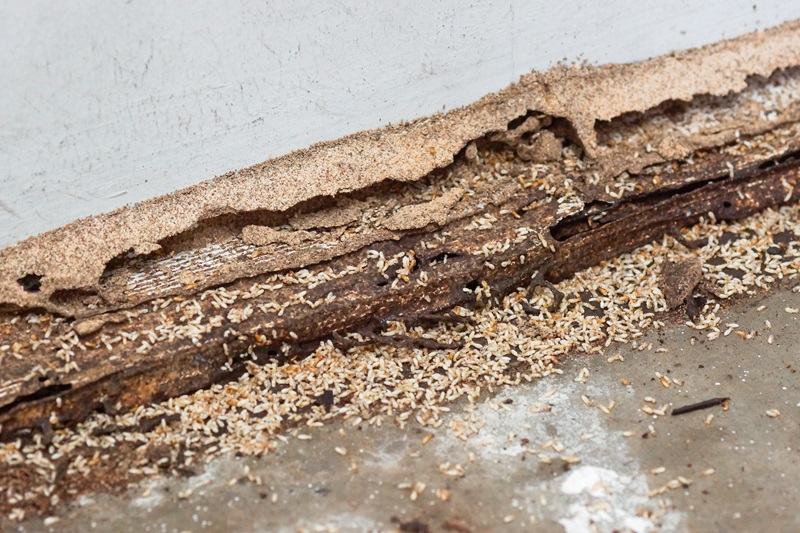
Termites — known locally as deemak — are one of the most destructive pests affecting commercial property in Pakistan. Islamabad and Rawalpindi’s clay-heavy soil and seasonal moisture make them hotspots for subterranean termite activity. Businesses in older buildings throughout Rawalpindi Cantonment and certain sectors of Islamabad face the highest risk. Termites silently damage wooden fixtures, furniture, document files, and structural beams — often going undetected until significant damage has occurred.
If your business occupies a ground-floor unit or basement space in an older commercial plaza in Rawalpindi, schedule a termite inspection immediately — even if you see no visible signs. Subterranean termites often travel through walls and under flooring for months before detection.
Mosquitoes
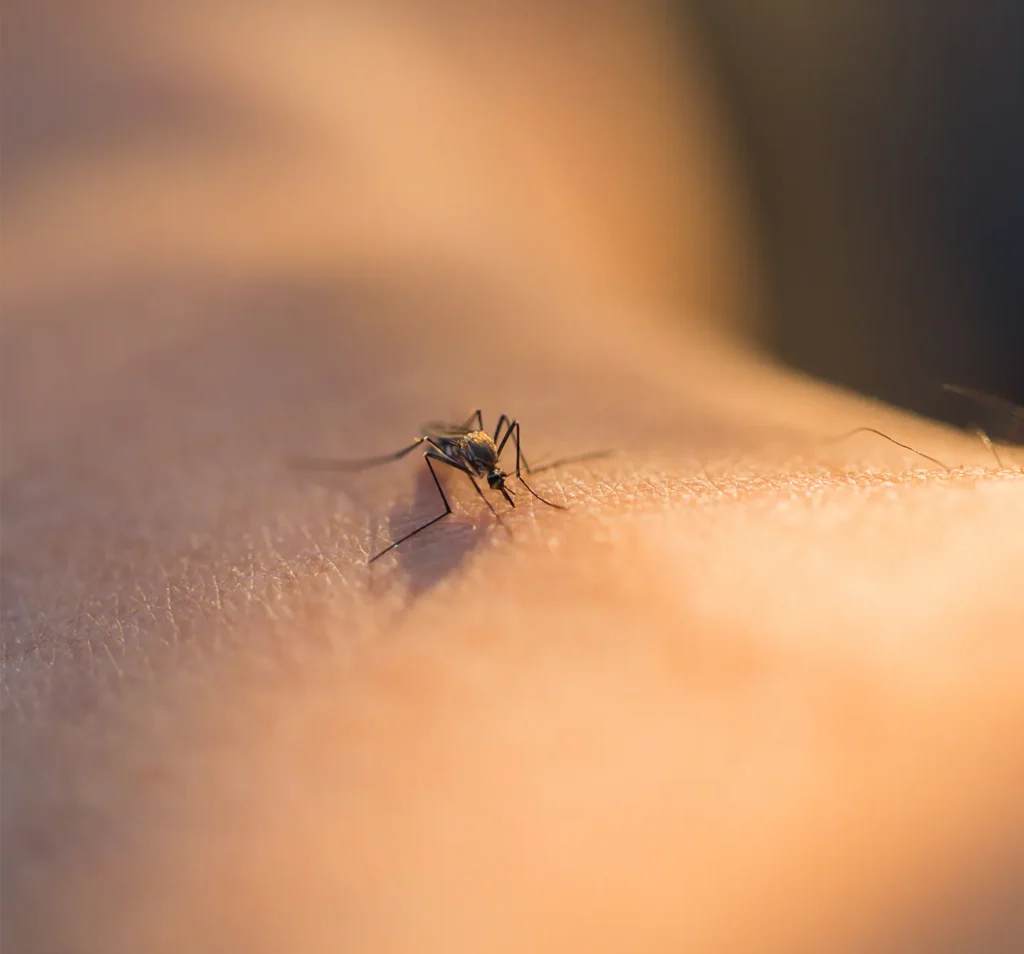
Dengue fever outbreaks, primarily caused by Aedes aegypti mosquitoes, recur annually in the Twin Cities — particularly after the monsoon season. Businesses with outdoor seating, open kitchens, or premises near standing water or green belts face direct risk of mosquito breeding on their property. Beyond the health risk to staff and customers, municipal authorities have imposed fines on businesses found with stagnant water breeding mosquito larvae.
Bed Bugs
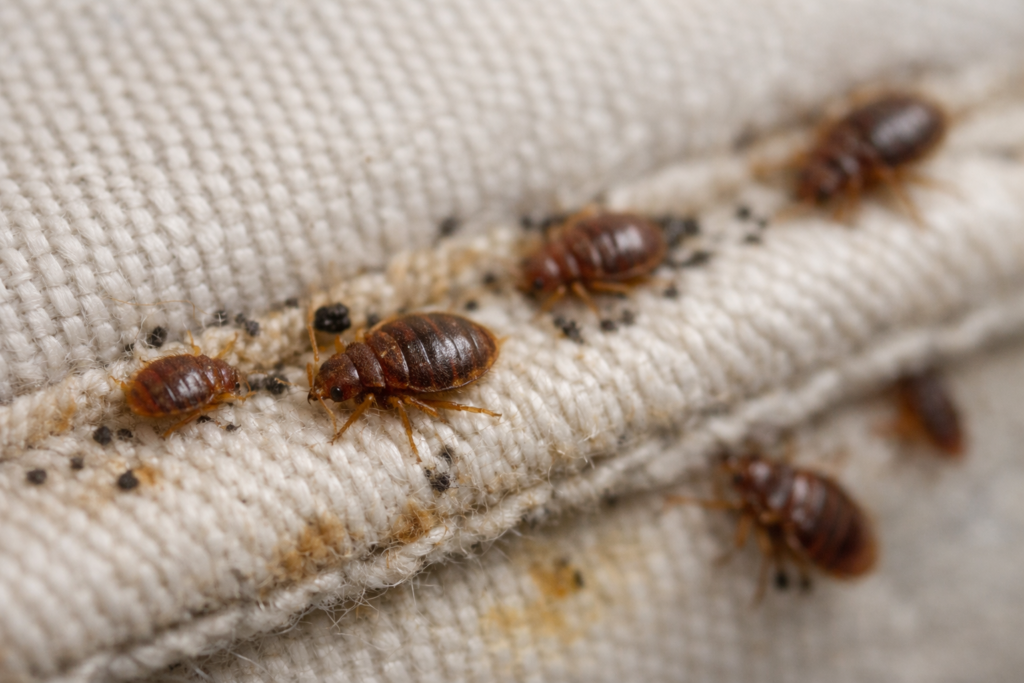
Hotels, guest houses, and furnished offices across Islamabad and Rawalpindi — especially those serving business travellers — face ongoing bed bug pressure. Bed bugs travel via luggage and secondhand furniture and are notoriously difficult to eliminate without professional treatment. Their presence in a hospitality business, once publicised on review platforms, causes immediate and lasting reputational harm.
Integrated Pest Management (IPM): The Right Approach for Pakistani Businesses
Definition:
Integrated Pest Management (IPM) is a structured, science-based approach that combines prevention, monitoring, and targeted treatment to manage pests sustainably. Rather than defaulting to broad chemical spraying, IPM addresses the conditions that allow pests to enter, survive, and reproduce in a commercial setting.
In the context of Islamabad and Rawalpindi, IPM is particularly valuable because many businesses operate in shared commercial plazas or markets where pest pressure comes from neighbouring units as much as from internal conditions. A chemical-only approach will not solve a cockroach problem that re-enters from adjacent premises through shared drainage — but IPM’s focus on exclusion and environmental modification will.
- Prevention — Eliminate entry points, food sources, moisture, and harborage conditions specific to your building and local environment
- Monitoring — Use glue boards, pheromone traps, and scheduled inspections to track pest activity before it becomes an infestation
- Threshold-based action — Intervene when pest populations reach a defined level, not on a fixed spray schedule
- Control — Apply the least harmful effective method first — physical exclusion, then biological, then approved chemical treatments
- Evaluation — Review outcomes after each treatment and adjust the program seasonally.
Pest Prevention Strategies for Businesses in the Twin Cities
Exterior exclusion
- Seal all gaps, cracks, and pipe entry points in external walls — especially critical in older Rawalpindi commercial buildings where facades have deteriorated
- Install door sweeps and flyscreen mesh on all exterior-facing doors and windows
- Ensure rubbish bins have tight-fitting lids and are kept away from entrances — open waste near food businesses is the single biggest pest attractant in commercial areas
- Clear drains of organic debris regularly — nullahs and blocked drains adjacent to your property are significant pest entry corridors
- Remove standing water from rooftops, AC drip trays, and low-lying areas around the property, particularly after monsoon rains.
Interior sanitation
- Store all food items in sealed containers — never leave food out overnight in commercial kitchens or storage rooms
- Deep-clean floor drains weekly and treat with enzymatic drain cleaner to eliminate the organic buildup that attracts flies and cockroaches
- Remove cardboard packaging promptly — corrugated cardboard is a favoured harborage for cockroaches and a common route through which pests enter with deliveries
- Fix all leaking pipes and taps — moisture is a primary attractor for cockroaches, ants, and rodents in the Twin Cities’ dry months
- Declutter storerooms and eliminate unused packaging, equipment, and materials that create rodent nesting sites.
Delivery inspection protocol
Many pest introductions in Islamabad and Rawalpindi businesses arrive with deliveries — particularly in food service and retail. Cockroach egg cases travel in cardboard; grain weevils come with improperly stored bulk food supplies. Train receiving staff to inspect all incoming goods and reject deliveries showing signs of pest activity or damage.
Mosquito prevention during dengue season
- Eliminate all standing water sources on your property at least twice a week during and after monsoon season (July–October)
- Treat ornamental water features, AC drainage, and rooftop tanks with approved larvicides
- Install insect light traps (ILTs) in food preparation areas to capture flying insects without chemical use
- Coordinate with municipal authorities or your pest control provider for anti-dengue fogging if your area is designated a high-risk zone.
Seasonal Pest Calendar for Islamabad & Rawalpindi
| Season / Months | Primary Pest Threats | Recommended Actions |
| Winter (Nov – Feb) | Rodents seeking warmth, cockroaches indoors | Seal entry points before cooling; intensify rodent monitoring; inspect heating areas. |
| Spring (Mar – May) | Termite swarming, ants, wasps | Schedule termite inspection; treat soil around foundations; seal exterior gaps. |
| Pre-monsoon (May – Jun) | Flies, cockroaches, rodents | Deep-clean drains; intensify fly control; check door seals and screens. |
| Monsoon (Jul – Sep) | Mosquitoes (dengue), flies, cockroaches, ants | Eliminate standing water daily; larvicide treatment; anti-dengue fogging coordination. |
| Post-monsoon (Oct – Nov) | Rodents moving indoors, residual mosquitoes | Seal all gaps before winter; rodent baiting; inspect AC units and roof drainage. |
How to Choose a Pest Control Company in Islamabad or Rawalpindi
The pest control industry in Pakistan is growing but unregulated in ways that make due diligence essential. Fly-by-night operators offering very low prices often use unregistered or banned chemicals, apply treatments incorrectly, and disappear when the infestation returns.
- Registration and compliance — Ensure the company uses only pesticides registered with Pakistan’s Department of Plant Protection (DPP) under the Agricultural Pesticides Ordinance. Ask for product names and registration numbers
- Experience in the Twin Cities — A provider familiar with Islamabad’s sector structure, Rawalpindi’s bazaar districts, and the local climate will provide more effective, context-aware recommendations
- Written reports after every visit — Any reputable commercial provider should document findings, treatments applied, and next steps in writing after each visit
- Service contract and guarantee — Look for a contract that includes guaranteed follow-up visits if pest activity returns between scheduled treatments
- Chemical safety transparency — Ask which active ingredients are used, whether they are safe for use in food areas, and what the re-entry period is after treatment
- References from similar businesses — Ask for references from at least two businesses in your sector (restaurant, warehouse, hotel, etc.) operating in Islamabad or Rawalpindi.
Before signing any pest control contract in Pakistan, ask the provider to show you the pesticide labels and confirm the products are registered with the DPP. Unregistered chemicals may be cheaper but pose serious health risks to your staff, customers, and food products — and leave you legally exposed in the event of an incident.
Compliance: What Pakistani Regulations Require of Businesses
Businesses in Islamabad and Rawalpindi are subject to oversight from several authorities with the power to inspect, fine, or shut down non-compliant premises:
- Punjab Food Authority (PFA) — Regulates all food businesses in Punjab, including Rawalpindi. Pest evidence (droppings, live insects, damage) is a critical violation resulting in fines or sealing
- Capital Development Authority (CDA) — Oversees commercial premises in Islamabad. The Health Wing conducts inspections and can issue closure notices to businesses with pest activity
- Islamabad Metropolitan Corporation (IMC) — Responsible for anti-dengue campaigns and can issue notices to businesses found breeding mosquitoes on their property
- Rawalpindi Municipal Corporation (RMC) — Conducts sanitation inspections in commercial areas and coordinates anti-pest drives in markets and bazaars.
Maintaining a documented pest management record — showing dates of inspections, treatments applied, and corrective actions taken — is your best protection during a regulatory visit. Inspectors look more favourably on businesses that demonstrate proactive, documented pest management even if minor issues are found.
Step-by-Step Pest Management Plan for Twin Cities Businesses
- Baseline inspection — Hire a professional to map current pest activity, entry points, and high-risk zones across your facility, including drains, storerooms, kitchen areas, and exterior walls
- Address structural vulnerabilities — Seal gaps, fix leaking pipes, install door sweeps, and repair damaged walls or flooring before any chemical treatment begins
- Sanitation audit — Review waste management, food storage practices, delivery inspection protocols, and cleaning routines against pest prevention standards
- Deploy monitoring devices — Place glue boards and rodent traps at key locations and establish a schedule for checking and replacing them
- Schedule professional treatments — Agree on a treatment frequency appropriate to your business type (monthly for food service; quarterly for offices) and the seasonal pest calendar
- Train staff — Brief all employees on pest identification, reporting procedures, and their role in sanitation and exclusion
- Maintain documentation — Keep a pest management log including inspection reports, treatment records, and any corrective actions — essential for PFA or CDA inspections
- Seasonal review — Adjust your program at the start of monsoon season and again before winter — the two highest-risk pest transition periods in the Twin Cities.
Common Mistakes Businesses in Islamabad & Rawalpindi Make
- Relying on one-time spray treatments — A single fumigation does not resolve underlying conditions; pests return within weeks without structural and sanitation improvements
- Choosing the cheapest provider — Low-cost operators in Rawalpindi and Islamabad frequently use substandard or unregistered chemicals and offer no follow-up guarantee
- Ignoring shared-premises risk — In commercial plazas and markets, pests move freely between units. A treatment programme that only addresses your own space will fail if neighbouring units are untreated
- No pest management during Ramadan shutdown — Businesses that close for extended periods during Ramadan and leave food residues, standing water, or open waste often return to serious infestations
- Skipping monsoon preparation — The July–September period sees the sharpest increase in mosquito, cockroach, and ant activity. Businesses that do not prepare before the rains begin face the hardest infestations to control
- No documentation — Without written records, businesses have no defence during a PFA or CDA inspection and no data to identify recurring pest pressure patterns.
Frequently Asked Questions (FAQ)
What is the best pest control service for businesses in Islamabad?
The best commercial pest control providers in Islamabad offer IPM-based programs, use DPP-registered pesticides, provide written reports after each visit, and have verifiable experience with businesses in your sector. Always ask for references from similar businesses in Islamabad or Rawalpindi before signing a contract.
How much does commercial pest control cost in Rawalpindi or Islamabad?
Costs vary significantly by business size, pest type, and treatment frequency. General commercial pest control contracts in the Twin Cities typically range from PKR 5,000 to PKR 25,000+ per visit, with annual service contracts offering better value. Termite treatment (anti-termite proofing) for commercial premises is priced separately, often per square foot.
Can the PFA close my restaurant in Rawalpindi for pest issues?
Yes. The Punjab Food Authority has the authority to issue on-the-spot fines and seal food premises where pest evidence — including cockroach droppings, rodent activity, or fly infestations — is found during inspections. Businesses with documented pest management programs are treated more leniently than those with no records.
When is termite (deemak) season in Islamabad and Rawalpindi?
Termite swarms in the Twin Cities are most common from March through May, when warm temperatures and pre-monsoon humidity trigger reproductive flights. However, termite colonies remain active year-round underground. Spring is the best time to schedule a professional termite inspection, especially for ground-floor and basement commercial units.
How do I prevent dengue mosquitoes from affecting my business?
Eliminate all standing water from your property at least twice weekly during monsoon season (July–September). Treat water storage tanks and AC drainage with approved larvicides. Install insect light traps in food areas. Coordinate with your local union council or municipal authority if your area is designated a dengue hotspot for community fogging schedules.
What pest problems are common in Rawalpindi’s older commercial areas?
Rawalpindi’s older commercial zones — including Saddar, Raja Bazaar, and surrounding Cantonment areas — face above-average pressure from cockroaches (via shared drainage), rats (via aged infrastructure and open nullahs), and termites (in older wooden structures). Businesses in these areas benefit most from IPM programs that emphasise exclusion and shared-premises coordination.
Is fumigation safe for food businesses in Islamabad?
Fumigation is generally scheduled outside business hours, with a mandatory ventilation and re-entry period before staff or customers return. Reputable providers use food-safe, DPP-registered formulations in food-handling areas. Always confirm the re-entry time and request the Safety Data Sheet (SDS) for any chemical used in your food preparation or storage zones.
Conclusion
For businesses in Islamabad and Rawalpindi, comprehensive pest protection is a business-critical function — not a reactive afterthought. The Twin Cities’ climate, urban density, seasonal monsoons, and active regulatory environment mean that pest pressure is a year-round reality that demands a structured, professional response.
The businesses that operate pest-free in these cities share three things in common: they invest in prevention before infestations occur, they work with qualified local pest management professionals who understand the Twin Cities environment, and they maintain the documentation that protects them during PFA and CDA inspections.
Start by assessing your current vulnerabilities, engage a certified commercial pest control provider experienced in Islamabad and Rawalpindi, and build a year-round IPM program that accounts for the local seasonal calendar. The cost of proactive pest management is always lower than the cost of a failed inspection, a reputational incident, or a full-scale infestation.